The Lost Race
Introduction
The Lost Race belongs to the Bran Mak Morn cycle, although Bran does not appear in the story. Written in 1924, it was sold to Weird Tales for $30, returned for revision, and finally published in January 1927.
Howard later discussed the story’s ideas about the successive settlement of Britain in 1930 correspondence with Farnsworth Wright and H. P. Lovecraft, explaining that he had based the story on then-current theories about Gaelic, Cymric and earlier peoples.
In a letter (#017) to Tevis Clyde Smith dated January 7 1925 he writes:
P.S. I sold two more stories to Weird Tales one for $25 and the other for $30. However, they sent back what I consider my masterpiece thus far, with sarcastic remarks. Write when you get time.
The first of these are ‘The Hyena’ and the latter is ‘The Lost Race’.
In a letter (#131) to Farnsworth Wright, circa June 1930, just before he gets introduced to H.P. Lovecraft he mentions the story:
And I note from the fact that Mr. Lovecraft has his character speaking Gaelic instead of Cymric, in denoting the Age of the Druids, that he holds to Lhuyd’s theory as to the settling of Britain by the Celts.
This theory is not generally agreed to, but I scarcely think that it has ever been disproved, and it was upon this that my story “The Lost Race” was based — that the Gaelic tribes preceded the Cymric peoples into Britain, by way of Ireland, and were later driven out by them.
A couple of months later in a letter (#137) to H.P. Lovecraft he refers to the story:
I had supposed, without inquiring very deeply into the matter, that these legends were based on contact with the earlier Mediterraneans, and indeed, wrote a story on that assumption which appeared some years ago in Weird Tales — “The Lost Race.” I readily see the truth of your remarks that a Mongoloid race must have been responsible for the myths of the Little People, and sincerely thank you for the information.
He also mentions the story in a letter (#144) to Harold Preece, cirka October or early November 1930:
But to return to the Mediterraneans of the Isles, where these tribes remained a race apart longer than anywhere else. These aborigines are popularly known as Picts, and by this name I have designated them in all my stories — and I have written a number in which I mentioned or referred to them — “The Lost Race,” “The Shadow Kingdom,” “The Mirrors of Tuzun Thune,” “The Dark Man,” “Kings of the Night,” to say nothing of several which I have not marketed.
Howard answers H.P. Lovecraft in a letter (#252d), cirka July 1933 where he mentions that he was only 18 when he wrote the story:
Thanks very much for the kind things you said about “Wolfshead” and other early attempts. I was eighteen when I wrote “Spear and Fang”, “The Lost Race”, “The Hyena”; nineteen when I wrote “In the Forest of Villefere” and “Wolfshead.” And after that it was two solid years before I sold another line of fiction. I don’t like to think about those two years. I wrote my first story when I was fifteen, and sent it — to Adventure, I believe. Three years later I managed to break into Weird Tales. Three years of writing without selling a blasted line. (I never have been able to sell to Adventure; guess my first attempt cooked me with them forever!)
Summary spoilers
The story follows Cororuc, a Briton warrior, who finds himself hunted through the dense forests of Britain by Roman legionaries. He has been wounded, his strength is failing, and he knows that if he is captured, he will suffer the wrath of his enemies. However, he continues forward, driven by the instinct to survive.
As he flees, he senses something strange in the forest—something watching him. He soon realizes he is not alone. Before him, shadowy figures move with unnatural silence, appearing more beast than man. These pale-skinned figures are not Romans nor Britons but something far older, something out of legend.
Cororuc has stumbled upon the last remnants of an ancient race—the pre-Celtic Picts, who have long hidden in the deep places of Britain, forgotten by history. They are smaller than men, savage, and secretive. Their yellow eyes gleam with intelligence, but also with a primal and deadly cunning. The Britons have long told stories of these silent, nocturnal creatures that lurk in the forests and hills, but Cororuc never truly believed they existed—until now.
The leader of these strange beings, Grom, approaches Cororuc and speaks to him in a tongue so old that it is only vaguely recognizable to the Briton. Grom reveals that his people were once the rulers of this land before being driven into hiding by invading Celts and later by the Romans. He and his kind are the original inhabitants of Britain, older than any recorded history, and they harbor an undying hatred for the invaders who have stolen their land.
At that moment, the Romans close in on Cororuc’s position, their torches flickering through the trees. The wounded Briton expects the Lost Race to attack him, but instead, they see him as a lesser threat compared to their true enemy—the Romans, who have trampled their lands for centuries.
As the legionaries advance, the Picts strike from the darkness. Moving with terrifying speed, they swarm the Romans, dragging them into the shadows. The Briton watches in horror and awe as the soldiers, who moments ago were his pursuers, are now torn apart by the feral might of the Lost Race. The battle is swift and brutal; the Romans are overwhelmed before they can even mount a proper defense.
With the Romans defeated, Cororuc is left alone with Grom and his people. The Pict leader gives him a final, chilling warning—the Britons, too, are invaders, and one day, his people will reclaim their land from all who have taken it. The Lost Race vanishes back into the forest, leaving Cororuc to reflect on what he has witnessed.
The story ends with the Briton realizing that the Romans are not the only ones who should fear the shadows of Britain. Deep within the forests, something ancient still lingers, waiting for the right time to rise again.
Textual states
Shown in a practical developmental order where possible: synopsis/outline, numbered drafts, submission states, then published or posthumous states. This display order does not itself assert exact chronology or textual authority.
Publication appearances
 Weird Tales 1927 januaryPopular Fiction Publishing CompanyJanuary 1927↗
 Bran Mak MornDellSeptember 1969↗
 ミステリマガジン1970年7月(Misuterimagajin 1970 nen 7 tsuki) (Mystery Magazine July 1970)Hayakawa Publishing CorporationJuly 1970↗
 Worms of the EarthDonald M. Grant1974↗
 Terra Fantasy 3: Herrscher der Nacht (Ruler of the Night)Erich Pabel Verlag KGJanuary 1975 August 1977 (2nd printing)↗
 Worms of the EarthZebraJuly 1975↗
 Worms of the EarthOrbit1976↗
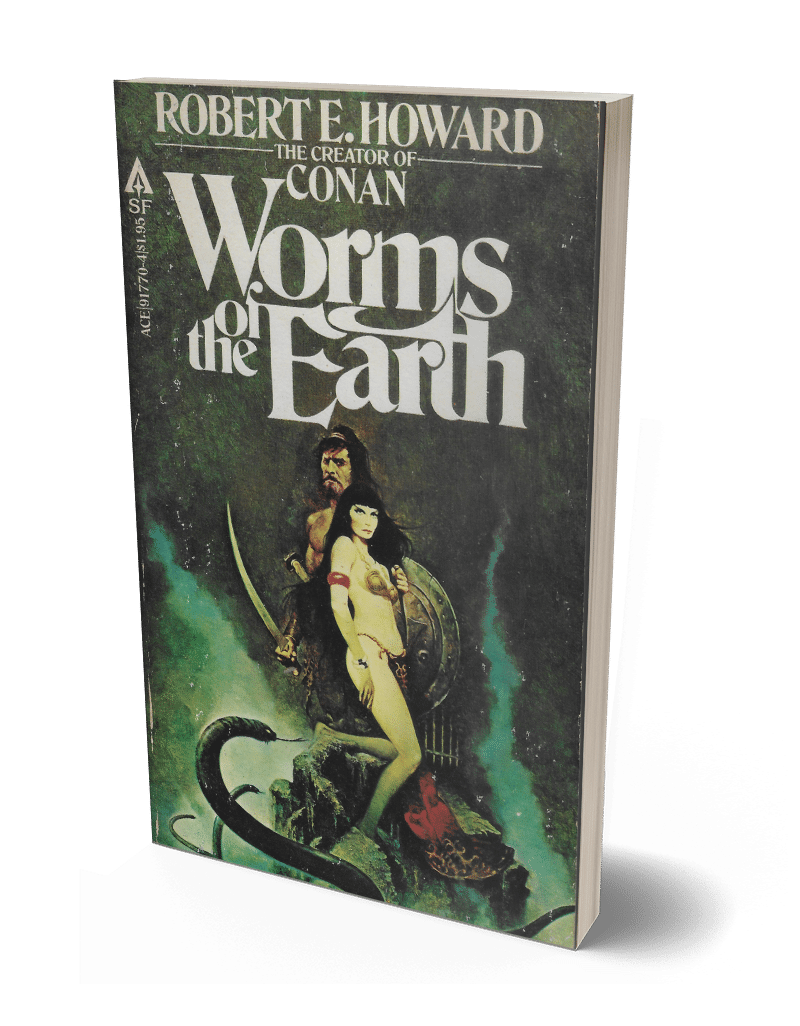 Worms of the EarthAceJune 1979↗
 The Savage Sword of Conan Volume 1 Number 68Marvel ComicsSeptember 1981↗
 The Savage Sword of Conan Volume 1 Number 69Marvel ComicsOctober 1981↗
 Bran Mak MornNeONovember 1982 January 1985 (2nd printing)↗
 König der Pikten (Worms of the Earth)Bastei Verlag KGWinter 1984↗
 Gusanos de la tierraEdiciones Martinez Roca (Spain)1987↗
 Gusanos de la tierra (Worms of the Earth)Roca (Mexico)1987↗
 Tygrysy morza (Sea Tigers)Pomorze (Pomerania)1990↗
 Conan Saga Volume 1 Number 60Marvel ComicsMarch 1992↗
 Conan Saga Volume 1 Number 61Marvel ComicsApril 1992↗
 Tygř i moře (Tigers of the Sea)Laser Books1993 1996 (2nd printing)↗
 Короли ночи (Koroli nochi) (Kings of the Night) Cover and p ublication information courtesy of the Russian website Laboratory of Fantasy .Сталкер (Stalker)1993↗
 Чародей 1 (Charodei 1) (Sorcerer 1) Cover and p ublication information courtesy of the Russian website Laboratory of Fantasy .НЭЛИ (NELI)1993↗
 Bra n Mak MornFleuve NoirFebruary 1993↗
 Robaki ziemi (Worms of the Earth)Wydawnictwo PiK1994↗
 Ombre dal tempoFanucci EditoreAugust 1994↗
 Tutti i cicli fantastici - I Cicli Celta e di Faccia di TeschioNewton Compton EditoriApril 1995↗
 Bran Mak MornBaen BooksJanuary 1996↗
 Конан и другие бессмертные. Том 1 (Konan i drugie bessmertnye. Tom 1) (Conan and Other Immortals Volume 1) Cover and publication information courtesy of the Russian website Laboratory of Fantasy .Азбука-Терра (Azbuka-Terra) (ABC-Terra)1996↗
 Hősök KoraValhalla Páholy Könyvklub1997↗
 Ночь волка (Noch volka) (The Night of the Wolf) P ublication information courtesy of the Russian website Laboratory of Fantasy .Северо-Запад (Severo-Zapad) (North-West)1997↗
 Bran Mak MornLaser Books2000↗
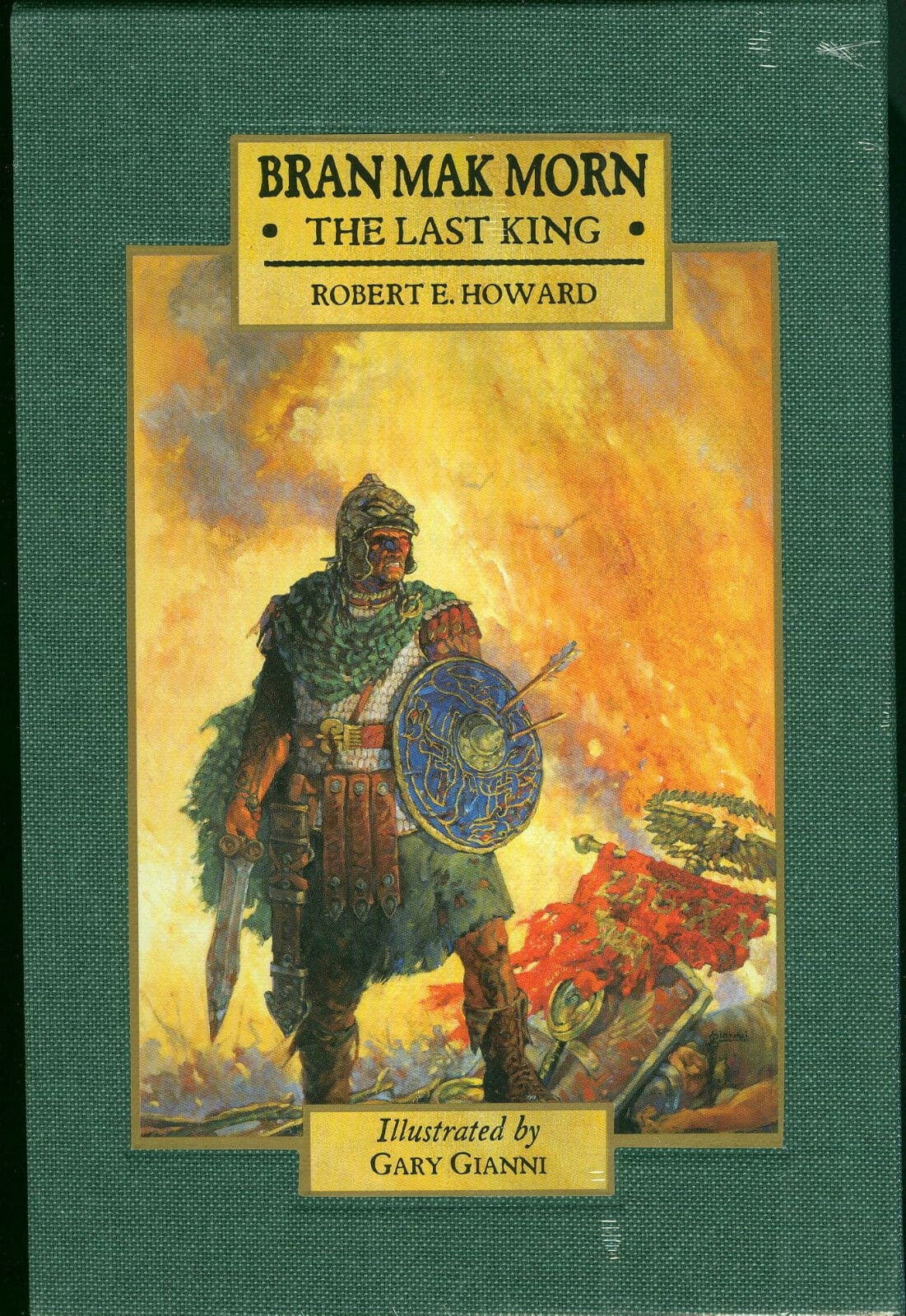 Bran Mak Morn: The Last KingWandering Star2001↗
 Shadow Kingdoms: The Weird Works of Robert E. Howard, Volume 1Wildside PressDecember 2004↗
 Bran Mak Morn: The Last KingBallantine Books - Del ReyJune 2005↗Bran Mak Morn: The Last KingScience Fiction Book ClubJune 2005↗
 Shadow Kingdoms : The Weird Works of Robert E. Howard, Volume 1Wildside PressNovember 2005 (1st printing) November 2006 (2nd printing) See the link under the cover for the hardcover and eBook editions.↗
 The Weird Writings of Robert E. Howard volume 1Girasol CollectablesJanuary 2006↗
 Shadow Kingdoms : The Weird Works of Robert E. Howard, Volume 1Audio RealmsApril 2007↗
 Shadow Kingdoms: The Weird Works of Robert E. Howard Volume OneCosmos BooksJuly 2007↗
 Kuningas Kull ja Bran Mak MornFantaasia2008 (Trade paperback) 2011 (eBook)↗
 The Mirrors of Tuzun Thune, and The Lost RaceDodo PressFebruary 2008↗
 Weird Tales Volume 9 Number 1Girasol CollectablesDecember 2008↗
 Bran Mak MornArnoldo Mondadori EditoreOctober 2009↗
 Bran Mak Morn, L'IntégraleBragelonneNovember 2009↗
 The Shadow Kingdom and Other WorksHalcyon Press, Ltd.January 2010↗
 The Robert E. Howard Omnibus: 99 Collected StoriesHalcyon Press, Ltd.May 2010↗
 Bran Mak Morn: The Last KingTantor Media Inc.June 2010↗
 Conan's BrethrenGollanczJanuary 2011↗
 The Shadow Kingdom and Other TalesBenediction ClassicsAugust 2011↗
 Bran Mak Morn és a piktek (Bran Mak Morn and the Picts)Delta Vision Kft.August 2012 (Trade paperback) November 2012 (eBook)↗
 Solomon Kane and Other StoriesJame-BooksAugust 2012↗
 The Wildside Book of Fantasy: 20 Modern and Classic Fantasy StoriesWildside PressOctober 2012↗
 Robert E. Howard's Collected WorksJame-BooksFebruary 2013↗
 Weird Tales: 101 Weird, Strange, and Supernatural Stories Volume 10Civitas MediaJune 2013↗
 The Lost RaceeStar BooksOctober 2013↗
 Бран Мак Морн, последний король. Кулл, выходец из Атлантиды (Bran Mak Morn, posledniy korol'. Kull, vykhodets iz Atlantidy) (Bran Mak Morn: The Last King. Kull: Native of Atlantis) Cover and publication information courtesy of the Russian website Laboratory of Fantasy .Эксмо (Eksmo)May 2014↗
 Robert E. Howard Short Stories & NovellasBusiness and Leadership PublishingJuly 2014↗
 The Shadow Kingdom and Other Weird TalesUlwencreutz MediaOctober 2015↗
 Almuric and Other FantasiesOzymandias PressJuly 2016↗
 Almuric and Other FantasiesJovian PressOctober 2016↗
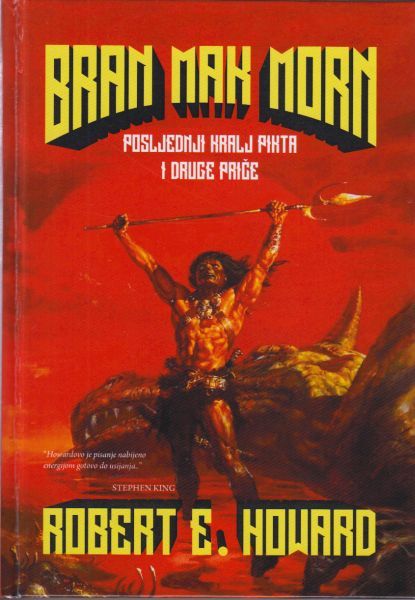 Bran Mak Morn: posljednji kralj Pikta i druge priče (Bran Mak Morn: The Last King of the Picts and Other Stories)Krug knjiga (Book Circle)2017↗
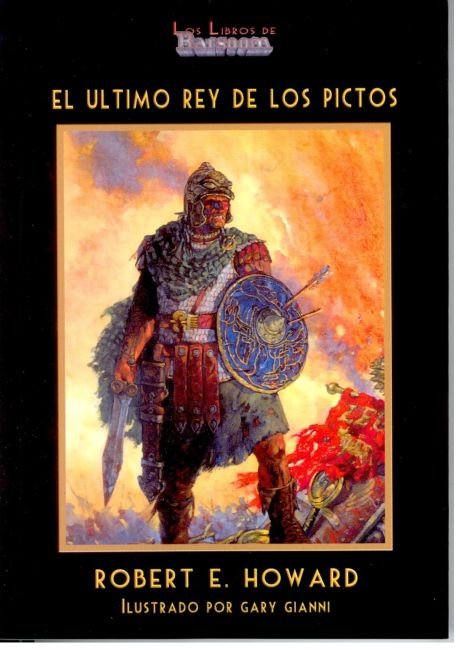 El último rey de los pictos ( The Last King of the Picts)La Hermandad del Enmascarado (Spain)January 2017↗
 Almuric and Other FantasiesZero-Sum PressFebruary 2017↗
 Lost Worlds Short StoriesFlame Tree PublishingAugust 2017↗
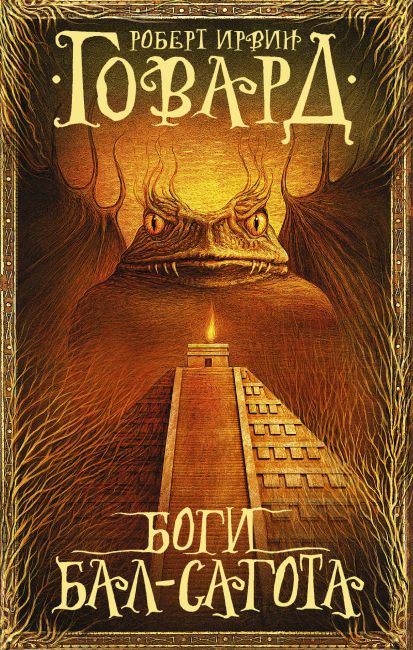 Боги Бал-Сагота (Bogi Bal-Sagota) (The Gods of Bal-Sagoth) Cover and p ublication information courtesy of the Russian website Laboratory of Fantasy .ACT (AST)November 2017↗
 Stories of Shape-ShiftingHjem HouseFebruary 2020↗
 Pedon varjoNysalor-kustannusOctober 2020↗
 Il Ciclo CeltaGM LibriFebruary 2021↗
 Bran Mak Morn. O Último Rei dos PictosPipoca e NanquimMarch 2021↗
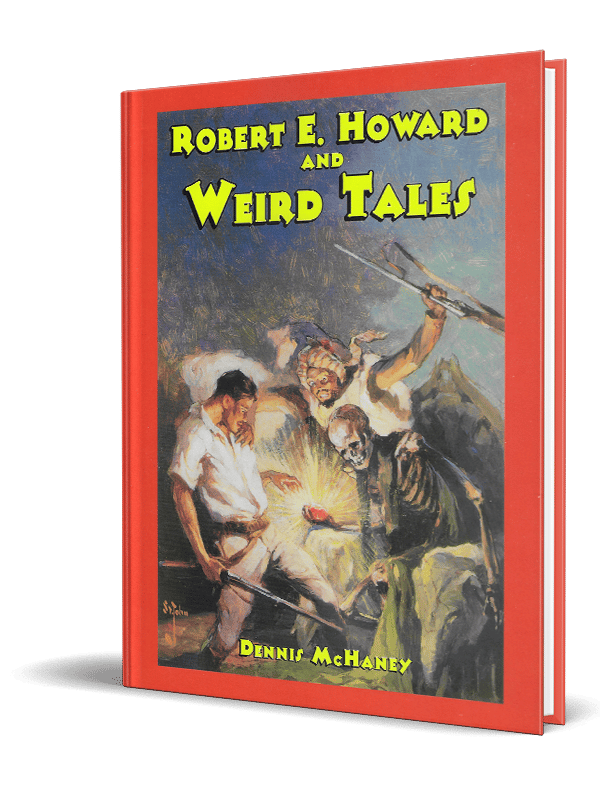 Robert E. Howard and Weird TalesOld Tiger PressNovember 2021↗
 A Raça Perdida e Outras Histórias (The Lost Race and Other Stories)Red Dragon PublisherMay 2022↗
 Μπραν Μακ Μορν Bran Mak MornΚλεοσ (Kleos) (Glory)December 2022↗
 Bran Mak MornReino de Cordelia (Spain)March 2023↗
 ナイトランド・クォータリーvol. 32 Naito rando - kuōtarī vol. 32 Nightland Quarterly Volume 32アトリエサード (Atorie sādo) (Atelier Third) (See Notes)May 2023↗
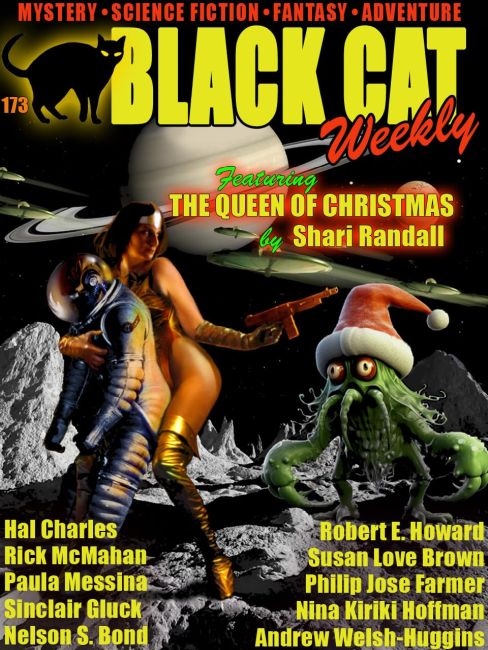 Black Cat Weekly 173Black Cat Weekly / Wildside PressDecember 21, 2024↗
 Windy City Pulp Stories #24Black Dog BooksMarch 2025↗