

Howard wrote several drafts of “The Isle of the Eons,” each version revealing his iterative process and evolving vision. Draft B1 of “The Isle of the Eons” was probably written by Howard circa the second half of 1929.
Search Results for: The Door to the World

10
May
May
REH completed the first version of “Iron Men” (draft a) in March or April 1929. That version was sent to FIGHT STORIES and apparently considered too long. Two successive drafts (drafts b & c) condensed the story. Draft c was eventually submitted to FIGHT STORIES, but the published version was heavily edited. . Alternate titles: “Fall Guy” and “The Iron Man”.

01
May
May
The car was described as dark green, with a glove compartment, rather than a door pocket. This is where he carried his gun. The ’31 Chevy was purchased second-hand after Lovecraft’s visit to New Orleans during the spring of 1932. Tyson has further provided that it was a Chevrolet Coach; a two-door.

26
Apr
Apr
We know that it was Lyndsey Tyson’s gun. Lyndsey told the lawyer that Robert had used his gun and he didn’t want anything to do with any of it. He was quite upset. Decades later, when talking to Glenn Lord, Lyndsey told him that was the dumbest thing he ever did. He should have taken those rights when he had the chance, maybe he could have gotten rich.
23
Apr
Apr
Finally. The trip has been booked and planning has started. Got some great tips from Paul Herman and Rob Roehm. Thanks to them both.

18
Apr
Apr
“The Haunted Hut” by Robert E. Howard is a chilling tale of Southern folklore and supernatural horror. The story captures the eerie atmosphere of the Hoodoo Swamp and the haunting presence of an undead cannibal.

16
Apr
Apr
Robert E. Howard’s article ‘The Ghost of Camp Colorado,’ crafted for the Texaco Star Company’s monthly magazine for employees and stockholders, offers a vivid glimpse into the bygone days of the American frontier. Featured on pages 13-15, the piece is enriched with five photographs, enhancing the narrative’s historical depth. This article, for which Howard received $28.26, stands as a poignant homage to the lost era of frontier life, intricately detailing its history, conflicts, and transformative journey.
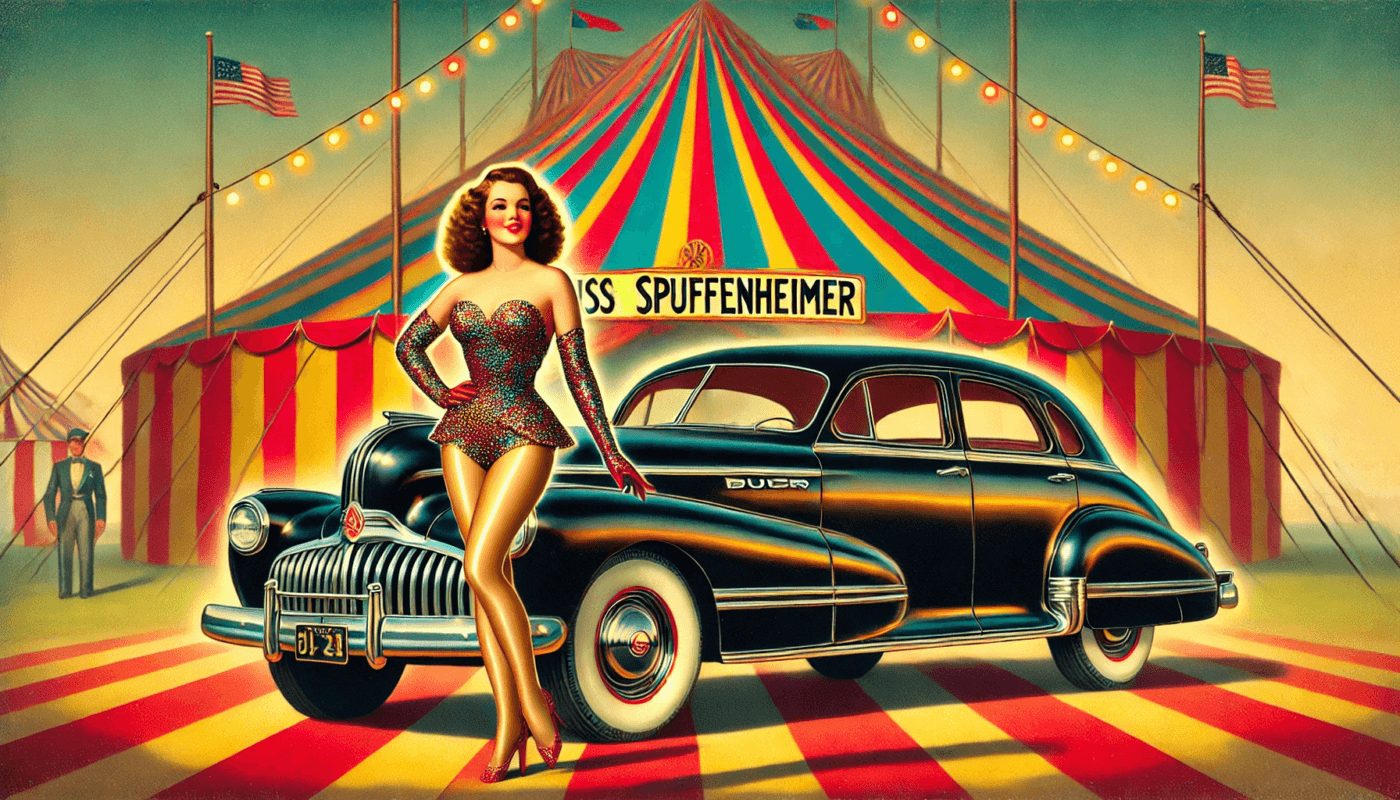
A dead man’s laughter at the window leads Conrad and O’Donnel into the haunted depths beneath the Dagoth Hills—where something older than death still stirs.
03
Apr
Apr
A complete story. 650 words. Not published in Howard’s lifetime.

26
Mar
Mar
“A Boy, a Beehive, and a Chinaman” is a humorous short story set in a small town in California, revolving around the mischievous antics of a young boy named Tub and his elaborate prank on a local Chinese laundryman named Fe Chu Chong. This was a hand-written high school paper by Howard. Written on December 1st, 1920.