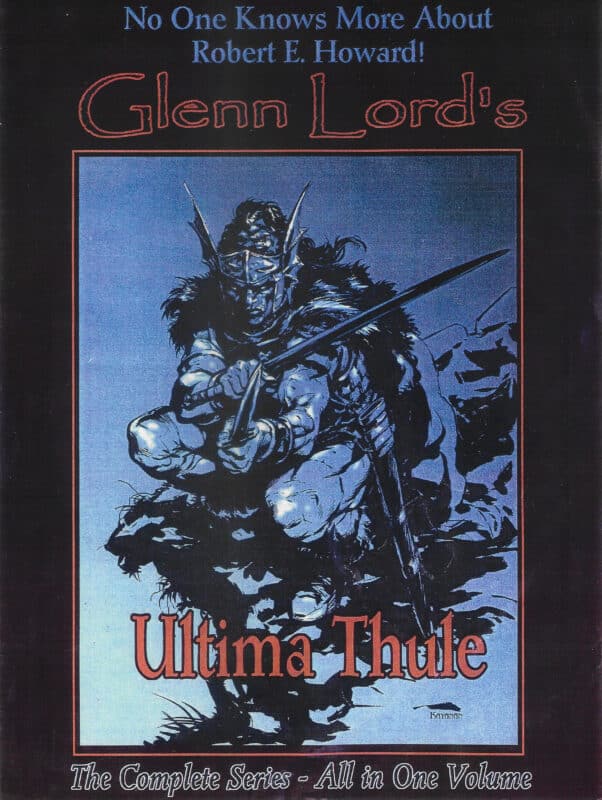
A collection of original stories by Texas writers inspired by REH, written in his style, or featuring REH or his creations as characters. Limited edition anthology presented to each attendee of the 2006 World Fantasy Convention, hosted in 2006 by the Fandom Association of Central Texas (FACT). The Con celebrated the Robert E. Howard centennial. Anyone unable to attend the Con who purchased a supporting membership also received a copy of this book.
Search Results for: Ste
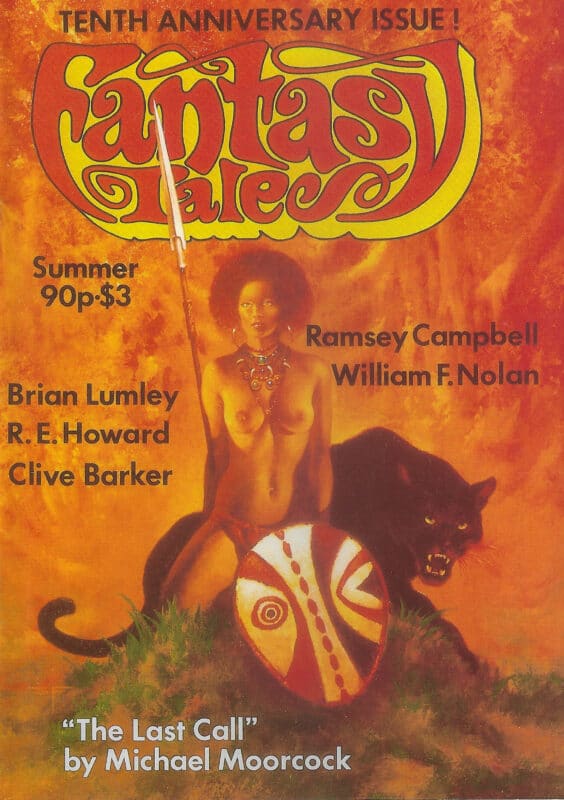
Fantasy Tales Summer 1987, Volume 9, Number 17. This issue contains the poem “An Outworn Story”. Fantasy Tales was published by Stephen Jones from the Summer of 1977 to the Summer of 1987.
This essay delves into the influences that sparked part of Howard’s imagination, with a focus on three influential women who played a significant role in his work in the horror genre of his stories.
The seventh issue of ‘The “New” Howard Reader, from 2000. Filled with Howard content. Published by Joe & Mona Marek. Cover art by Steven R. Trout.
‘Tom Sharkey – Mankiller’ was an article Howard wrote that is now lost. It is not known where Howard submitted it, but it was probably in 1925.
‘Windigo! Windigo!’ is a short story that is lost. Howard submitted it to Weird Tales, Adventure, Argosy, Tales of Mystery & Magic and Ace-High in 1925 but it was never published.
’44-40 or Fight’ is a very short story that is lost. Howard submitted it to Western Story in 1924 but it was never published.
‘The Phantom of Old Egypt’ is a story that is lost. Howard submitted it to Weird Tales in 1922-1923. But it was never published.
Ben Friberg and The Texas Center, part of Schreiner University have provided Youtube videos from Howard Days. Here are the ones from 2023. Also links to Gary Romeo’s excellent blog featuring his journey to Cross Plains.
Discover the fascinating story of Robert E. Howard’s (REH) writing table, an iconic piece of furniture that has traveled through time and has now found its way to our collection. This article details the table’s journey, from its origins in the 1920s or 30s to its current location in Paul Herman’s shop.