Desert Blood
Introduction
“Desert Blood” is a Wild Bill Clanton adventure set around Tebessa and the Barbary region. It was published in Spicy-Adventure Stories in June 1936 under Howard’s pseudonym Sam Walser.
Summary of the story spoilers
The tale begins with Clanton, a rugged American, in a Barbary room with Zouza, a local woman, who challenges his manhood by demanding he prove his bravery by slaying a lion. Despite his initial reluctance, Clanton is drawn into the quest, partly due to Zouza's manipulation and his own ego. However, this lion hunt is a facade for a deeper plot involving tribal politics, espionage, and the arms trade.
Clanton's journey takes an unexpected turn when he's led into a trap set by Ahmed ibn Said, under the guise of helping him hunt a lion. Instead of a straightforward adventure, Clanton finds himself embroiled in a complex plot involving Zouza, Ahmed, and the powerful Shaykh Ali ibn Zahir, who seeks Clanton for reasons tied to his wife Zulaykha's desires and political maneuvering involving Clanton's cargo of rifles intended for Berber rebels. Clanton's adventure takes him from the seductive lure of Zouza, through a violent confrontation with Ahmed, to being captured and brought before Shaykh Ali.
His fate seems sealed as he is taken to Zulaykha, who attempts to use her charms and power to sway him to her and her brother's political cause. However, Clanton's fortune changes with the daring intervention of Aicha, a woman initially presented as Ahmed's companion but who becomes Clanton's ally and rescuer. The story culminates in a dramatic rescue operation led by Aicha, who cleverly draws away Ali and his men, allowing Clanton to escape.
The narrative closes with Clanton and Aicha, now a couple, planning their future together as they navigate the aftermath of their adventure and contemplate a life at sea.
Textual states
Shown in a practical developmental order where possible: synopsis/outline, numbered drafts, submission states, then published or posthumous states. This display order does not itself assert exact chronology or textual authority.
Comparison to the draft
Comparing the draft and final version of "Desert Blood" reveals several nuances in character development, plot progression, and thematic emphasis, which collectively enrich the story's depth and readability. Below is a detailed comparison based on key aspects:
Setting and Description
- Draft: The setting in Tebessa is briefly sketched, focusing mainly on the interactions between characters. The descriptions of the surroundings and attire are minimal but precise, enough to give a sense of place and cultural context.
- Final Story: Enhances the atmospheric descriptions, providing a richer backdrop against which the story unfolds. This includes more detailed depictions of the Barbary room and the characters' appearances, adding to the story's immersive quality.
Character Development
- Zouza: In both versions, Zouza initiates Clanton's quest. However, the final story amplifies her manipulative charm and the physical description, making her role as the catalyst more potent.
- Wild Bill Clanton: His character remains consistent as a rugged adventurer. However, the final version emphasizes his internal conflict and pride more distinctly, offering deeper insight into his motivations.
- Aicha: Aicha's character undergoes significant expansion in the final story, providing a more detailed backstory and emotional depth. Her bravery and quick thinking are highlighted, making her a more central figure in the narrative.
- Miss Augusta Evans: Used more effectively in the final version as a contrast to the main adventure and to highlight cultural misunderstandings and prejudices.
Plot and Pacing
- Plot Structure: The core plot remains largely unchanged, focusing on Clanton's misled adventure, his entanglement with local politics, and eventual escape with Aicha. However, the final version tightens the narrative, improving pacing and clarity.
- Action and Dialogue: The final story refines the dialogue and action scenes for better flow and impact, making the confrontations and character interactions more dynamic and engaging.
Thematic Elements
- Adventure and Misadventure: Both versions celebrate the theme of adventure, but the final story enhances the stakes and the implications of Clanton's misadventures, emphasizing themes of bravery, betrayal, and redemption.
- Cultural Clash and Understanding: The final version offers a more nuanced exploration of cultural misunderstandings and connections, particularly through the interactions between Clanton, Aicha, and the secondary characters.
Conclusion and Resolution
- Ending: The draft and final story share similar endings, with Clanton and Aicha escaping together. However, the final version provides a more satisfying resolution by tying up loose ends more neatly and offering a clearer sense of future possibilities for the characters.
Additional Observations
- Tone and Style: The final story's tone is more polished, balancing action with moments of introspection and emotional depth, providing a more rounded reading experience.
- Character Motivations: The final version provides clearer motivations for the characters' actions, especially regarding the antagonists' schemes and Aicha's decisions, making the story's dynamics more believable and compelling.
In summary, while the draft sets up an engaging narrative with intriguing characters and a vivid setting, the final version of "Desert Blood" elevates the story through enhanced descriptions, deeper character development, tighter pacing, and a more nuanced exploration of themes. The revisions between the draft and the final story showcase the process of refining a narrative to enhance its impact and resonance with readers.
Characters in this Work
Counts are across exact Textual Versions currently represented. They are not assumed exhaustive until the underlying texts have been analyzed.
Publication appearances
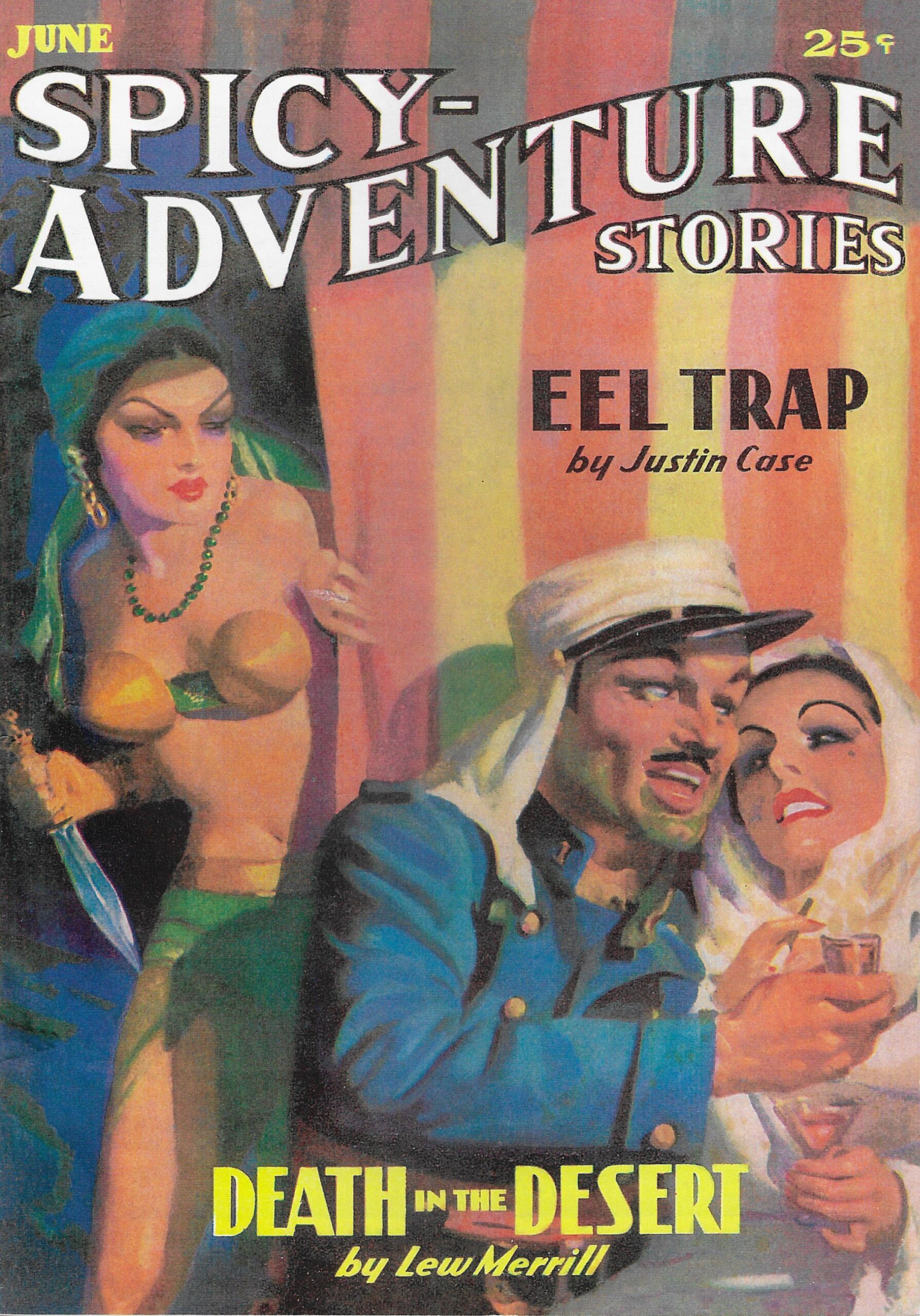 Spicy-Adventure Stories June 1936Culture PublicationsJune 1936↗
 Spicy-Adventure Stories September 1942Culture PublicationsSeptember 1942↗
 Incredible Adventures #1Gene Marshall & Carl F. Waedt1977↗
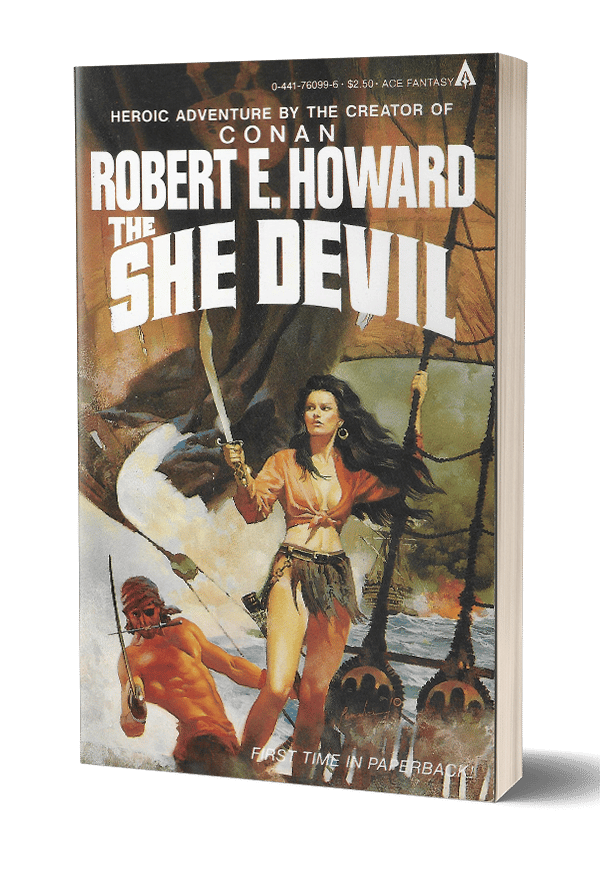 The She DevilAceDecember 1983↗
 Wild Bill ClantonNeOJuly 1984↗
 Spicy-Adventure Stories Volume 4 Number 3Girasol CollectablesFebruary 2006↗
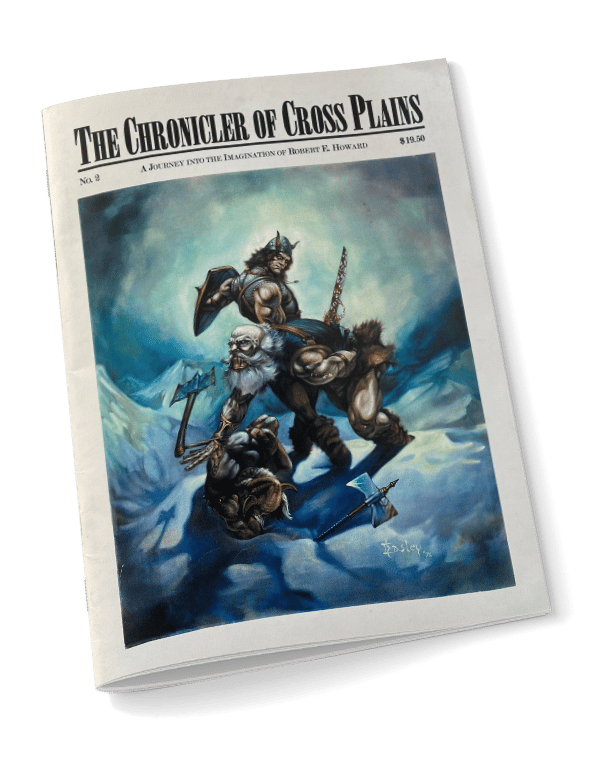 The Chronicler of Cross Plains #2The Black Coast PressJune 2006↗
 The Exotic Writings of Robert E. HowardGirasol CollectablesOctober 2006↗
 Spicy-Adventure Stories Volume 4 Number 3Wildside PressJune 2008↗
 Spicy AdventuresREH Foundation PressSeptember 2011↗
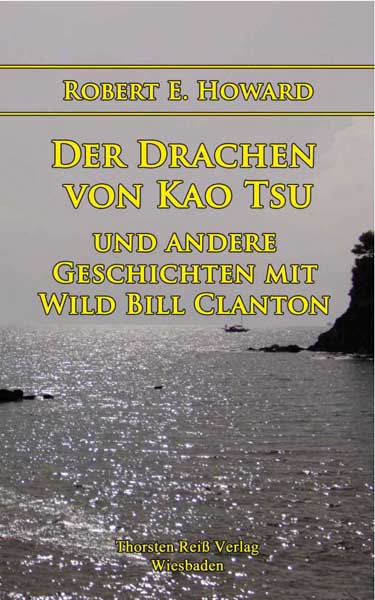 Der Drachen von Kao Tsu: und andere Geschichten mit Wild Bill ClantonThorsten Reiß Verlag2015 (ebook) April 2016 (Paperback)↗
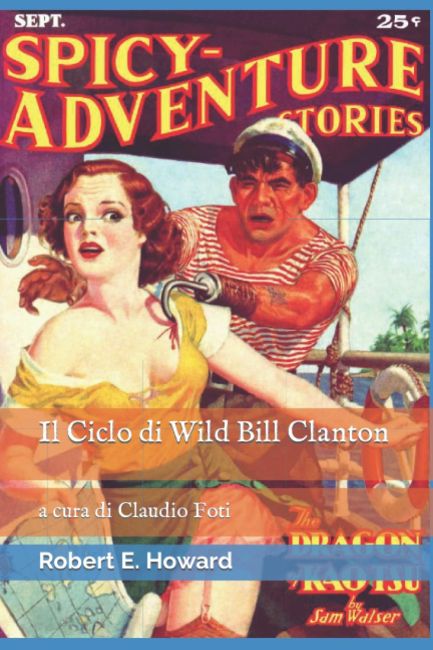 Il Ciclo di Wild Bill ClantonIndependently PublishedOctober 2021↗
 Spicy Adventures Ultimate EditionREH Foundation PressAugust 30, 2024↗
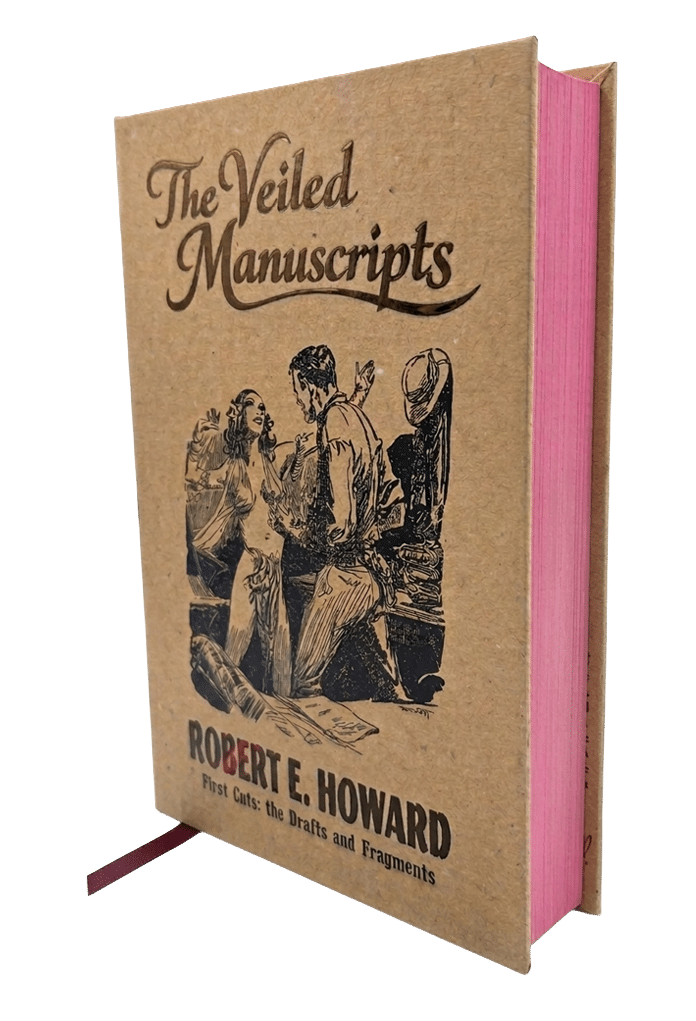 The Veiled Manuscripts - First Cuts: The Drafts and FragmentsREH Foundation PressJune 2026 (paperback) est. July 27, 2026 (hardcover)↗