Daughters of Feud
Introduction
“Daughters of Feud” follows new schoolmaster Braxton Brent into Whiskey Run and the violent legacy of the Kirby–Pritchard feud. The finished story was first published after Howard’s death in Fantasy Crossroads #8.
Story summary spoilers
The story unfolds with a fierce fight between Joan Kirby and Ann Pritchard, representing their feuding families, in the classroom. Brent's intervention sets the stage for a narrative that explores themes of authority, morality, and the complexities of love against the backdrop of entrenched family feuds. Forced to discipline the girls according to harsh local customs, Brent finds himself at a moral crossroads.
His actions entangle him in the feud, drawing the ire of both families and putting his life at risk. A dramatic turn of events reveals a deep connection between Brent and Joan, transcending the violence around them. However, their relationship is threatened by the societal norms and the looming presence of Joan's brother, Buck Kirby, a feared feudist.
As Brent grapples with his responsibilities and the dangerous implications of his actions, he is subjected to a brutal ambush by the Pritchard family, seeking revenge. The situation escalates into a violent confrontation that brings Buck back, not to exacerbate the conflict but to resolve it in an unexpected manner. The story culminates in a realization of love and a commitment to a shared future, highlighting the power of love to transcend deep-seated hatred and violence.
Textual states
Shown in a practical developmental order where possible: synopsis/outline, numbered drafts, submission states, then published or posthumous states. This display order does not itself assert exact chronology or textual authority.
Comparison between the 1st draft and final story
The detailed comparison between the first draft and the final version of "Daughters of Feud" reveals several key differences in narrative development, character portrayal, and thematic focus. This analysis will highlight how these elements evolved from the initial draft to the final story.
Narrative Structure and Pacing
- First Draft: The narrative unfolds with a more immediate sense of action and conflict, quickly introducing the central feud through the altercation between Joan and Ann. The story's pace is rapid, moving swiftly from the schoolroom fight to the escalating tensions between Brent and the feuding families.
- Final Version: While maintaining the initial conflict, the final version adds depth to the buildup and consequences of the schoolroom fight, offering a more nuanced exploration of Brent's internal conflict and the complexities of the feud. The pacing is measured, allowing for deeper character development and a more detailed depiction of the setting.
Character Development
- Braxton Brent: In both versions, Brent is portrayed as an outsider struggling to assert authority in a hostile environment. The final version, however, offers a richer portrayal of his inner turmoil, ethical dilemmas, and eventual transformation influenced by his love for Joan.
- Joan Kirby: Joan's character remains consistent as a strong, defiant woman caught between her familial loyalties and her feelings for Brent. The final version emphasizes her resourcefulness, bravery, and the depth of her love for Brent.
- Ann Pritchard: Ann's role as the antagonist is clear in both versions, but the final version better highlights the personal stakes for her in the feud and her aggressive nature.
- Buck Kirby: Buck's character is more fleshed out in the final version, showcasing his dangerous reputation, complex loyalty to his sister, and eventual acceptance of Brent.
Thematic Focus
- Feud and Family Loyalty: Both versions explore the destructive nature of the feud and the deep-rooted loyalty to family. The final version, however, delves deeper into how these elements impact the characters' decisions and lives.
- Love and Redemption: The theme of love as a transformative force is present in both versions, but the final version more effectively demonstrates its power to transcend hatred and violence.
- Authority and Morality: The final version presents a more nuanced examination of Brent's struggle with the moral implications of his actions as a teacher and a man in love, questioning the traditional methods of asserting authority.
Conclusion
The evolution from the first draft to the final version of "Daughters of Feud" showcases Robert E. Howard's skill in refining his narratives. The final version provides a more complex and emotionally resonant story, with enhanced character development, a more intricate exploration of themes, and a richer depiction of the setting and its societal norms. These changes not only improve the overall narrative but also deepen the reader's engagement with the story's central conflicts and characters' arcs.
Characters in this Work
Counts are across exact Textual Versions currently represented. Additional textual research may add further appearances.
Publication appearances
 Fantasy Crossroads #8Stygian Isle PressMay 1976↗
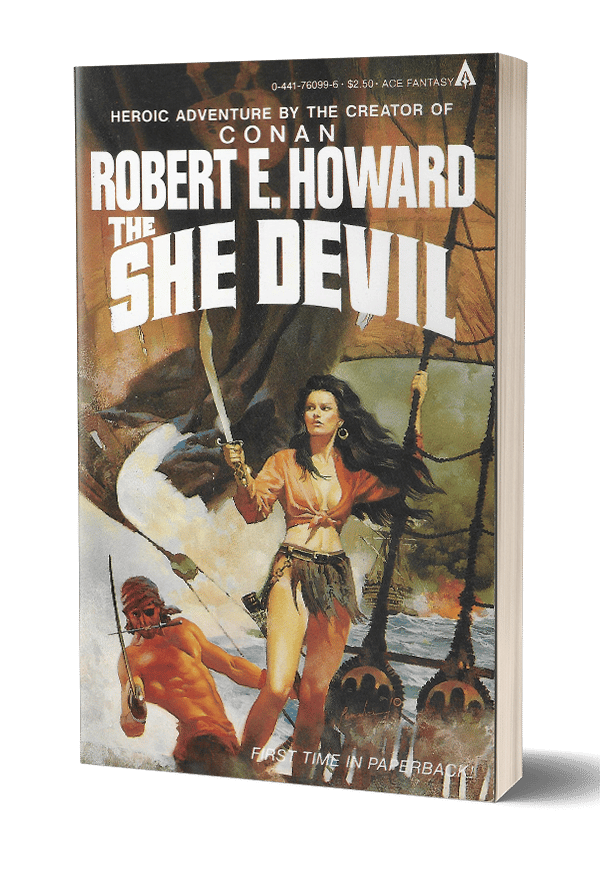 The She DevilAceDecember 1983↗
 Wild Bill ClantonNeOJuly 1984↗
 Barsoom número 4La Hermandad del Enmascarado (Spain)Winter 2007↗
 Spicy AdventuresREH Foundation PressSeptember 2011↗
 Малое собрание сочинений. Книга пятая (Maloe sobranie sochinenii. Kniga piataia) (Small Collected Works. Book Five) Cover and publication information courtesy of the Russian website Laboratory of Fantasy .Independently PublishedDecember 2018↗
 Poročne pustolovine: djevojka na paklenoj barci (Spicy Adventures: The Girl on the Hell Ship)VF Libris2023↗
 Spicy Adventures Ultimate EditionREH Foundation PressAugust 30, 2024↗
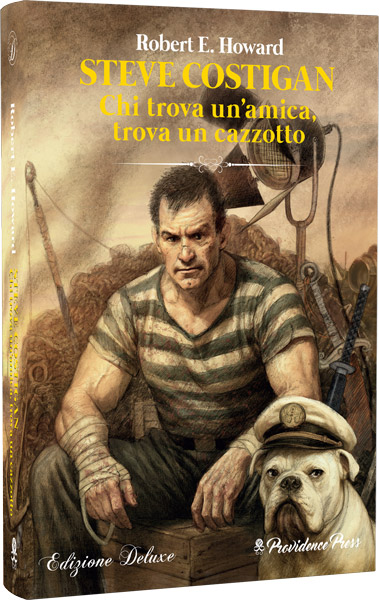 Steve Costigan. Chi Trova Un'Amica, Trova Un Cazzotto (Steve Costigan. He Who Finds a Friend, Finds a Punch)Providence PressOctober 2025↗
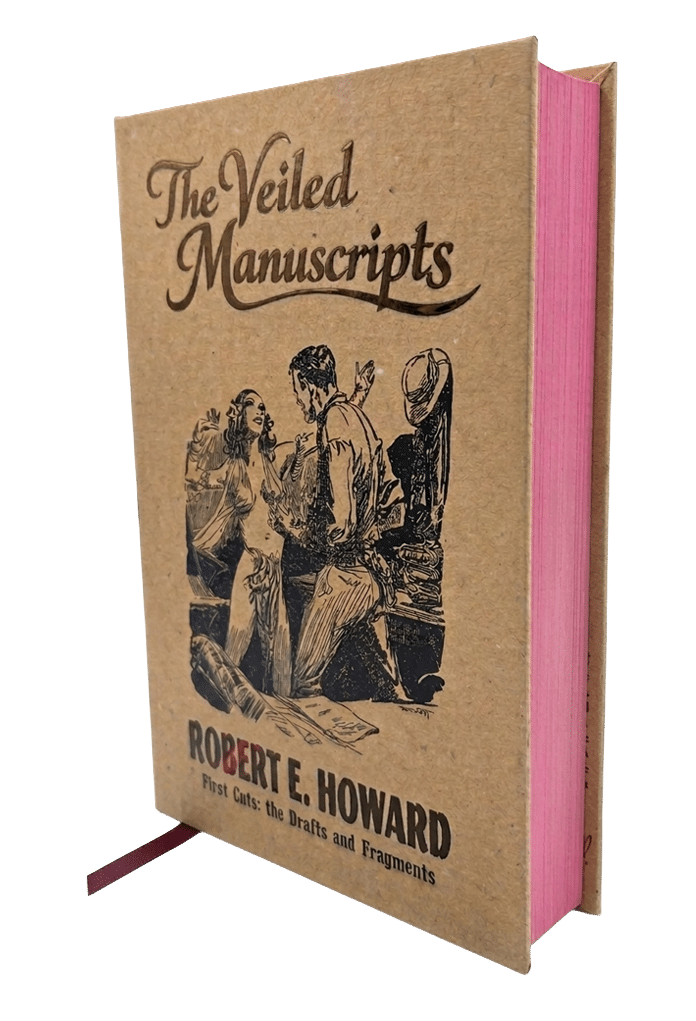 The Veiled Manuscripts - First Cuts: The Drafts and FragmentsREH Foundation PressJune 2026 (paperback) est. July 27, 2026 (hardcover)↗